The Celta Stagnation: Why Four Draws and Two Losses Are Keeping the Galicians in Limbo
RC Celta de Vigo are stuck in a mid-table rut, having recorded no wins in their last six matches, with four draws and two losses. Their inability to score, particularly in recent goalless draws, has left them ninth in La Liga with 12 points, highlighting a tactical imbalance between defensive caution and offensive inefficiency.
In the high-stakes theater of La Liga, consistency is often mistaken for competence, but for RC Celta de Vigo, it has become a mask for a deeper tactical malaise. As the 2026 season progresses, the Galicians find themselves in a peculiar state of equilibrium: neither plummeting into the relegation zone nor climbing toward the upper echelons, but instead trapped in a mid-table purgatory defined by an inability to convert potential into points. A closer look at their recent form reveals a team that is statistically resilient yet strategically impotent, sitting ninth in the Primera Division table with 12 points from 10 games.
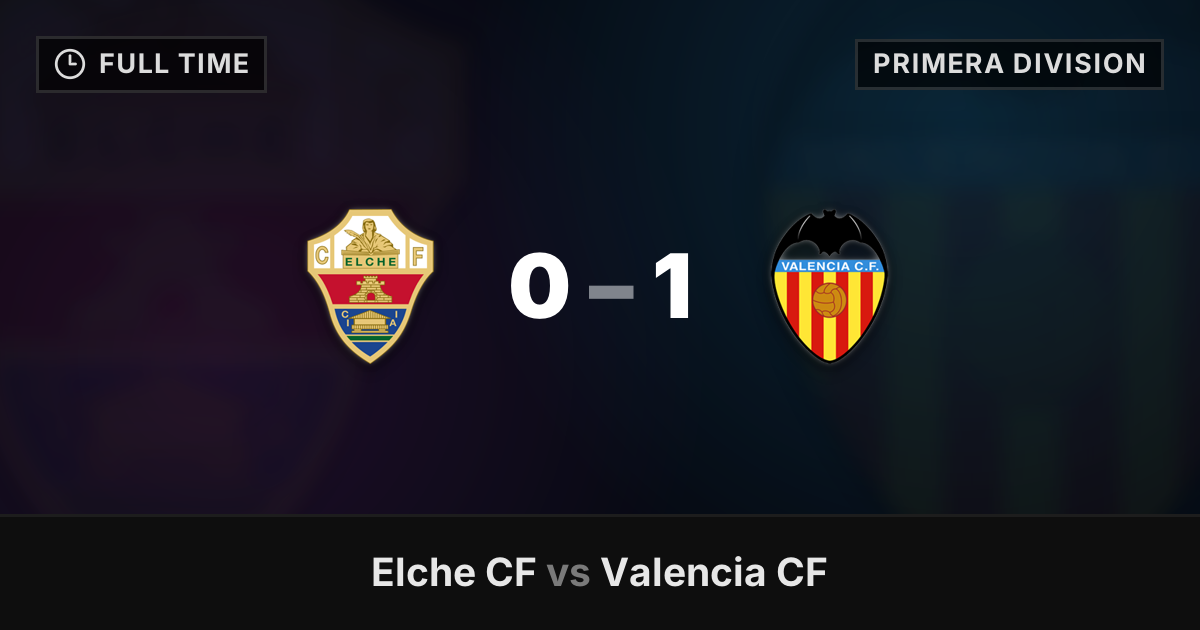
The narrative of Celta’s current campaign is written in the language of the draw. In their last six tracked matches, the club has managed just one result that does not end in a tie or a defeat: zero wins. The sequence of results—Loss, Loss, Draw, Draw, Draw, Draw (LLDDD when viewed from oldest to newest)—paints a picture of a team that has learned to survive but has forgotten how to thrive. The most recent fixture, a 0-0 stalemate against Elche CF on October 11, 2026, serves as a microcosm of this broader issue. It was a game where Celta failed to break the deadlock, adding another blank canvas to a run of scoreless draws that has characterized their autumn campaign.
This trend of goalless or low-scoring affairs is not a new phenomenon for the season. Just ten days prior, on October 1, Celta drew 1-1 with Getafe CF, and earlier that same day, they were held to a 0-0 draw by Real Sociedad. These matches highlight a defensive solidity that, while preventing heavy defeats, often comes at the cost of offensive creativity. The team has managed to keep the scoreline close, but the lack of goals for—only two in the last six tracked matches—suggests a front line that is struggling to find rhythm against organized mid-table and upper-table opposition.
The roots of this stagnation can be traced back to the start of the season, where Celta’s vulnerability was exposed. On August 27, they fell 1-2 to CA Osasuna, a result that signaled early defensive frailties. This was compounded by a 0-2 loss to Athletic Club on August 31. These two defeats, combined with the subsequent string of draws, have left the team with a goal difference that reflects their inability to dominate possession or create clear-cut chances. With only two goals scored in these six recent matches against five conceded, the imbalance is stark. They are conceding less than they did in August, but they are scoring even less, creating a net negative impact on their points accumulation.
Being ninth in the table with 12 points is a respectable position on paper, but in the context of Celta’s historical ambitions and squad depth, it represents a significant underperformance. The club is effectively neutralizing itself. By drawing four of their last six games, they are accumulating points, but the quality of those points is low. A win against a lower-table side like Elche should have been a statement of intent, yet it resulted in another point share. This suggests a tactical rigidity that opponents can easily read and exploit, forcing Celta to settle for a draw rather than pushing for a victory.
The psychological toll of such a run cannot be understated. Players who are used to winning find themselves in a routine of managing games rather than controlling them. The transition from the initial losses to the current draw-heavy phase indicates a defensive adjustment, but it has not been accompanied by an offensive breakthrough. For Celta to escape this mid-table trap, they need more than just defensive resilience; they need the clinical edge to turn 0-0 draws into 1-0 wins. Until that happens, they will remain a team that is hard to beat but impossible to beat, a paradox that keeps them firmly anchored in the middle of the pack, watching the race for European spots from a distance that feels increasingly insurmountable.