The San Mamés Paradox: Why Athletic Club’s Inconsistency Defies Simple Explanation

Athletic Club's recent form is characterized by extreme inconsistency, marked by a 2W-1D-3L record in six matches and a volatile sequence of results that includes a 3-0 win over Atlético Madrid and a 3-1 loss to Levante. This lack of structural stability has left them with a negative goal difference in the Primera Division and a struggling 29th-place finish in the UEFA Champions League.
In the high-pressure landscape of modern football, consistency is often the currency that separates contenders from also-rans. For Athletic Club, however, the current season presents a baffling tactical and psychological puzzle. The Basque side’s recent form is not merely poor; it is erratic to a degree that suggests a fundamental disconnect between their offensive capability and their defensive resilience. To understand what is happening at San Mamés, one must look beyond the surface-level win-loss record and examine the volatile nature of their last six tracked matches.
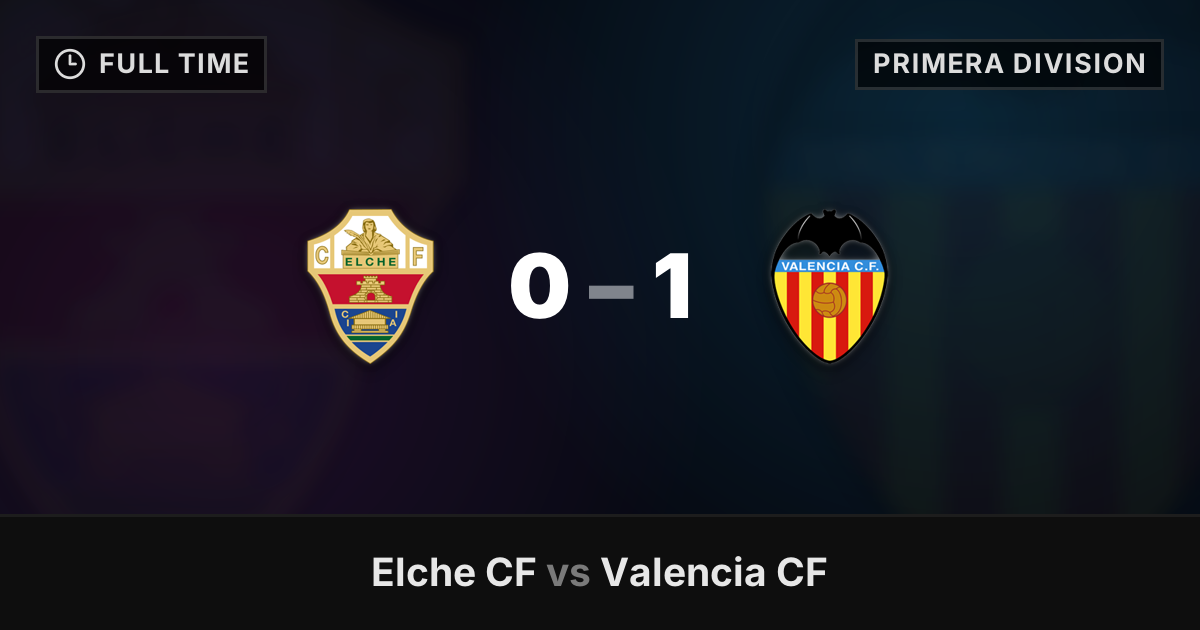
The data paints a picture of a team capable of brilliance one week and collapse the next. Athletic Club has played six recent tracked matches, securing two wins, one draw, and three losses. This 2W-1D-3L record is not just a statistic; it is a narrative of instability. The most recent results have been particularly jarring. On October 27, 2026, the club suffered a 3-1 defeat to Levante UD, a result that highlighted defensive vulnerabilities against a lower-table opponent. Yet, on that same day, their fixture list also recorded a 0-0 draw against Valencia CF. While the simultaneous occurrence of these two results on the same date is a logistical anomaly in standard league scheduling, it underscores the density of their competitive calendar and the lack of margin for error in their performance.
Looking back at the start of the season, the contrast is stark. On August 27, 2026, Athletic Club fell 2-0 to FC Barcelona, a result that, while disappointing, was expected against a top-tier opponent. However, the following week brought a surprise: a 0-2 victory over RC Celta de Vigo on August 31. This early-season swing set the tone for a campaign defined by whiplash. The team could beat Celta with authority but failed to maintain that intensity against Barcelona.
The most significant data point, however, is the 3-0 victory over Club Atlético de Madrid on October 1, 2026. This result proved that Athletic Club possesses the tactical acumen and finishing quality to dismantle elite opposition. They scored three goals in that match, demonstrating that their attack is not inherently flawed. The problem, therefore, is not a lack of skill, but a lack of structural consistency. How does a team that can thrash Atlético Madrid by three goals manage to lose 3-1 to Levante just weeks later?
In the Primera Division, Athletic Club’s overall standing reflects this volatility. With six games played, they sit with a record of 2 wins, 1 draw, and 3 losses. Their goal difference is negative, having scored 7 goals and conceded 8. This near-parity in goals for and against suggests a team that is neither dominant nor defensive, but rather reactive. They are conceding too many goals to win, and scoring just enough to keep games close, but not enough to secure victories consistently. The last five tracked results, listed as LWWDL from oldest to newest, confirm this pattern of oscillation. They win, they lose, they win, they draw, they lose. There is no rhythm, no baseline of performance that fans or management can rely upon.
The implications extend beyond domestic league play. Athletic Club’s UEFA Champions League campaign is equally concerning. They are currently ranked 29th in the competition, holding 8 points from 8 games. In a tournament where points are scarce and every match is a battle, 8 points from 8 games is a mediocre return that suggests they are struggling to compete with the very best in Europe. The fact that they are 29th indicates they are fighting for survival in the group or league phase, a position that requires the kind of consistency they have failed to show domestically.
The tactical analysis points to a team that lacks a cohesive identity. When they win, they do so with attacking flair, as seen in the 3-0 win over Atlético. When they lose, they do so with defensive fragility, as seen in the 3-1 loss to Levante. The draw with Valencia suggests a team that can park the bus but lacks the cutting edge to break deadlock. The loss to Barcelona shows they can be overwhelmed by superior quality. The result is a club in transition, or perhaps in crisis, where the gap between their potential and their performance is widening. For the players and coaching staff, the challenge is not to find new tactics, but to find the mental and structural stability to execute their existing game plan week in, week out. Until that consistency is found, Athletic Club will remain a team of two halves: one that can beat anyone, and one that can be beaten by anyone.